

Kids' Toys Always Getting Dirty? Here's The Safest Way to Clean Them
KIDS' TOYS ALWAYS GETTING DIRTY?
HERE'S THE SAFEST WAY
TO CLEAN THEM
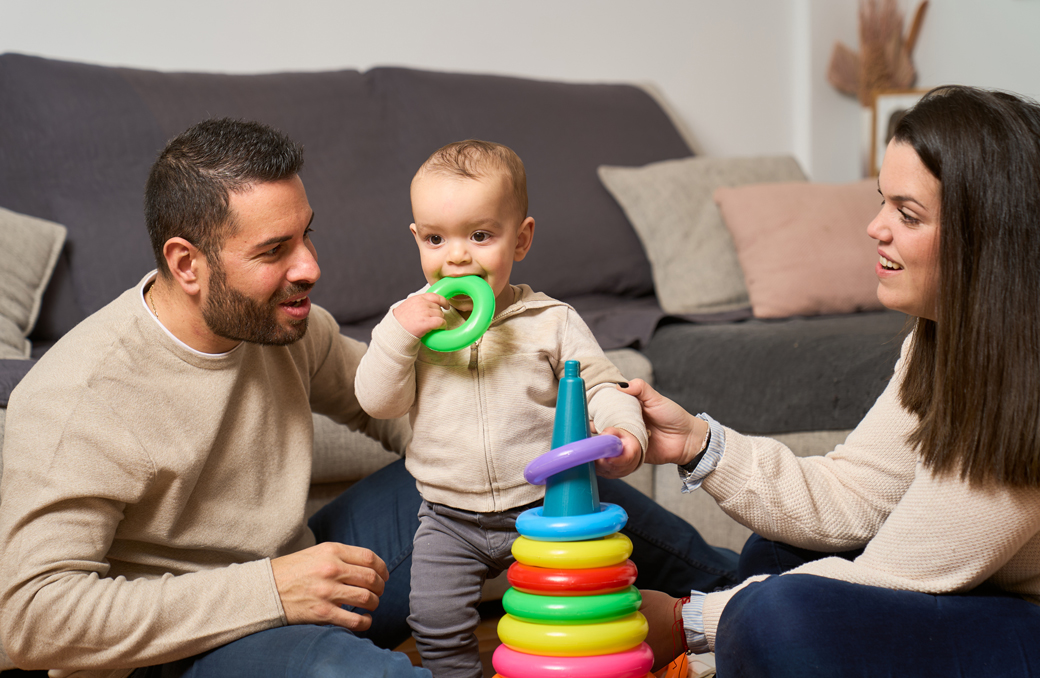
If you have young children at home, toys are part of everyday life.
From plastic building blocks and toy cars to pretend play kitchen sets, toys are constantly handled, hugged, and sometimes even put into little mouths.
Because of that, how toys are cleaned really matters.
Over-cleaning with harsh methods can raise concerns, while insufficient cleaning may leave behind dust and residue that children frequently come into contact with.
The good news is—safe toy cleaning doesn’t have to be complicated.
With the right order and the right tools, it can be both effective and reassuring.
THE KEY TO SAFE TOY CLEANING:
DUST FIRST, WASH SECOND
Many people go straight to rinsing or scrubbing toys with water.
However, if surface dust is not removed first, it can easily be pushed deeper into crevices during washing.
A safer and more efficient approach is:
—Dust removal → Gentle washing → Drying
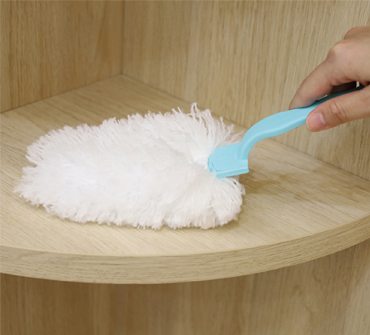
STEP 1: DRY DUSTING FOR EVERYDAY MAINTENANCE
A soft duster helps remove fine dust, hair, and particles without using water or cleaning agents.
- Plastic toy surfaces
- Toy crevices and textured designs
- Toy shelves and storage boxes
This gentle, dry method is perfect for frequent use and helps reduce dust buildup before deeper cleaning is needed.
Recommend: The RT-C5054 Fluffy Handy Duster is ideal for this step.
Its lightweight, soft bristles attract dust through static charge, making it suitable.
STEP 2: TARGET CREVICES WITH A MULTI-PURPOSE BRUSH
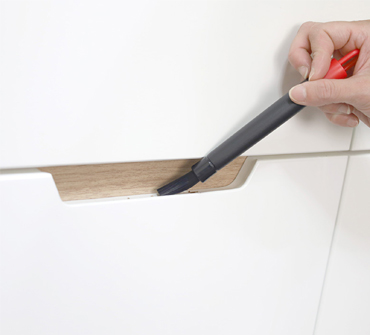
Some toys have complex shapes, seams, or small gaps that trap dust easily. For these areas, a compact brush works best.
- Clean gaps between toy parts
- Reach wheels, edges, and corners
- Remove dust without scratching plastic surfaces
It’s especially useful for toy cars,
blocks, and pretend-play accessories
Recommend: The RT-D3704 Multi-Purpose Brush features soft yet resilient bristles.
STEP 3: GENTLE WASHING WHEN TOYS NEED A DEEPER CLEAN
When toys are visibly dirty, washing is recommended.
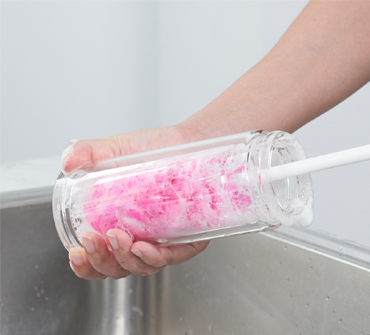
Before scrubbing, soak toys in warm water for about 10 minutes to loosen grime.
Add a small amount of mild dish soap,
then use a suitable brush for washing.
Using fine bristles adapt well to curved and uneven surfaces,making it suitable for medium to large plastic toys. After a gentle scrub, simply rinse with clean water.
Recommend: The RT-D3632 Dish Brush (L) is a great option for this step.
STEP 4: DRYING MATTERS TOO
- After washing, allow toys to air-dry in a cool, well-ventilated area
- Avoid direct sunlight, as prolonged exposure to strong heat may cause plastic to harden or degrade over time.
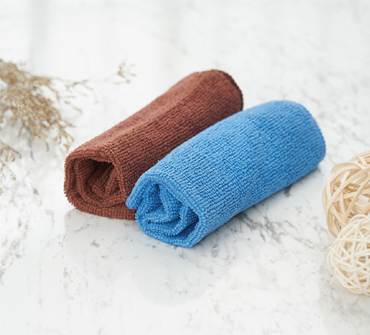
Recommend: The RT-K0341-2 Microfiber Cleaning Cloth to wipe off excess moisture and reduce water marks
A GENTLE REMINDER FOR PARENTS
Toys don’t need to be washed with water every single day.
Consistent daily dust removal combined with regular cleaning and disinfection is the safest—and most efficient—approach.
■ Daily Care Tips:
- Gently remove dust with a soft-bristle brush or dry cloth.
- Clean weekly or based on how frequently the toy is used.
- Separate cleaning methods by material to prevent damage.
■ Disinfection Methods:
- Alcohol Wipe (75%): Suitable for plastic and metal toys. Wipe thoroughly and allow to air dry.
- Diluted Bleach Solution: Mix at a 1:100 ratio (approx. 10 ml bleach to 1 liter of water).
Wipe the surface, let sit for 5–10 minutes, then wipe again with clean water and air dry. (For water-resistant materials only.) - Hot Water Treatment: Heat-resistant toys can be rinsed with water above 60°C or treated with steam.
- Sunlight & Ventilation: Place toys in a well-ventilated area with sunlight exposure to help reduce moisture and bacteri
Choosing cleaning tools with soft bristles, scratch-free materials, and clearly defined purposes not only keeps toys clean—it also helps protect your child’s daily contact safety.
 Inquiry
